
All You Need To Know About Car Batteries
Jessica Bird | Saturday 17th January 2026 12:06pm

Your car battery is the lifeforce of your vehicle. It’s what gets your engine started, keeps your lights bright, and powers the technology you use every day, from sat navs to music systems. When your battery fails, everything stops.
Understanding how your car battery works, what causes it to go flat, and when it’s time for a replacement can help you stay on the road, safely and reliably.
How do car batteries work?
Every car battery has one important job: turning chemical energy into electrical energy.
- When you switch on the ignition, it triggers a reaction inside the battery that produces electrons, the electrical current needed to power the starter motor and spark plugs.
- This kickstarts the combustion process that gets your engine running.
- Most modern petrol and diesel vehicles use a 12-volt lead-acid battery with six internal cells. Each cell contains two plates (one of lead and one of lead dioxide) immersed in sulphuric acid. The acid acts as a catalyst, creating the charge that flows through your car’s electrical system.
- Once the engine is running, the alternator takes over. It generates electricity to power your car’s systems and recharges the battery as you drive. This is why a flat battery can often be brought back to life with a jump-start; the process is reversible.
However, as vehicles have become more advanced, car batteries now have to handle far more electrical demand than before. Heated seats, sensors, air conditioning, and infotainment systems all rely on that same 12-volt supply. The more your car does, the harder your battery has to work.
How long does a car battery last?
A typical car battery lasts between three and five years, depending on your driving habits, usage, and environment.
If your car spends more time parked than driven, or you regularly make short trips where the battery doesn’t have enough time to recharge, it will likely wear out sooner.
A few key factors can affect battery life:
- Driving habits: Short, frequent journeys prevent full recharging.
- Weather: Extreme heat can cause fluid to evaporate, while freezing temperatures slow chemical reactions.
- Vehicle demand: Modern cars with start-stop systems, heated features, and power-hungry tech drain the battery faster.
Even with good care, all car batteries naturally lose capacity over time, so if yours is more than three years old, it’s worth having it checked to avoid being caught out.
Why car batteries go flat
A flat battery is one of the most common causes of car breakdowns in the UK, especially during cold winter months. This can happen for several reasons:
- Infrequent use: If your car isn’t driven regularly, the battery gradually loses charge.
- Short journeys: Frequent stop-start driving doesn’t give the alternator enough time to recharge the battery.
- Electrical drain: Leaving headlights, interior lights, or other systems running when parked can quickly flatten the battery.
- Temperature changes: Heat and cold both affect the chemical balance inside the cells.
When a battery struggles to hold a charge, it places added strain on other components, including the starter motor and charging system, increasing the risk of further faults.
How to know that your car battery needs replacing
Recognising when your battery is starting to fail can save you from being stranded. Here are some clear signs to look out for:
Slow engine crank
If your engine turns over more slowly than usual or struggles to start, your battery may be losing strength. If the components inside your car battery are wearing out, it will take longer for it to create a charge for the starter.
Dimming lights and weak electronics
Flickering headlights, dim dashboard lights, or sluggish electrical systems are often early indicators of a low charge.
Start-stop not working
If your car’s start-stop system fails to activate, it could mean the battery no longer has enough power to restart the engine automatically.
A rotten egg smell
A sulphuric or “rotten egg” odour can mean the battery is leaking gas, a sign of internal damage that needs urgent attention.
Warning lights
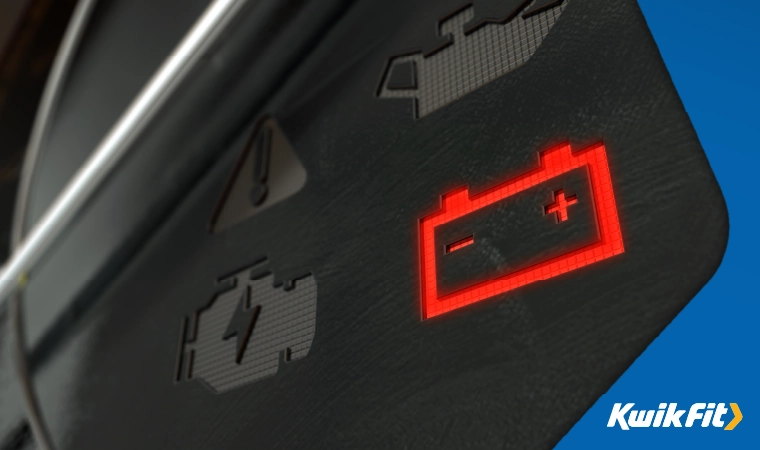
If the battery symbol or check engine light comes on, it’s time to have your electrical system checked.
Swollen or corroded battery case
High temperatures can cause the casing to warp, while corrosion on the terminals can interrupt the power flow. Both are signs that your car battery may need to be replaced.
How to keep your car battery healthy
A little care goes a long way towards extending battery life. Follow these simple steps to keep yours performing at its best:
- Take regular, longer drives: At least 30 minutes once a week helps the battery fully recharge.
- Switch off electronics before stopping: Turn off heaters, lights, and infotainment before shutting off the engine.
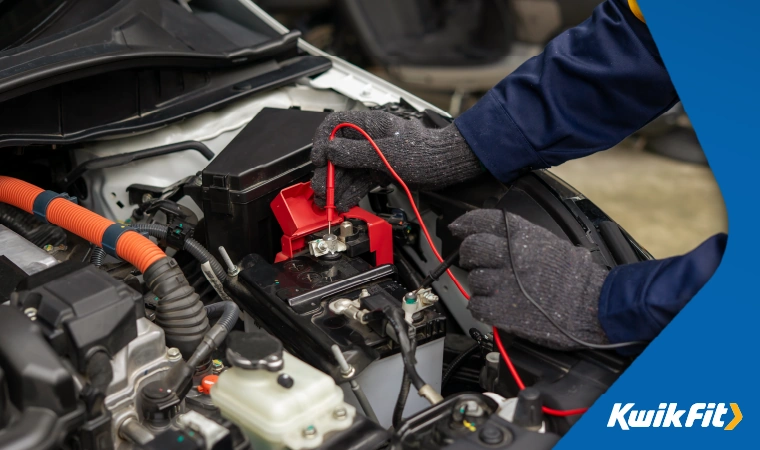
- Keep terminals clean: Remove any corrosion and ensure the cables are tight and secure.
- Use a smart charger: If you don’t drive often, a trickle or intelligent charger can maintain a charge without overloading the battery.
- Avoid leaving the car unused for long periods: Even parked vehicles can lose charge through standby electrical systems.
Regular servicing and basic maintenance can prevent most battery issues before they start.
Stay charged up and ready to go
Your car battery might be small, but it plays a major role in keeping your vehicle running reliably. Whether it’s starting your engine on a frosty morning or powering your in-car tech, it’s worth giving your battery the care it needs.
If you think it’s time for a car battery replacement, or you’d like a free car battery check, visit your local Kwik Fit centre or book online today. Our experts will ensure your battery and car are ready for every journey.


Any facts, figures and prices shown in our blog articles are correct at time of publication.
Featured Articles
Is it Illegal to Drive With One Headlight?
Saturday 19th July 2025

Wondering if it’s illegal to drive with one headlight? Learn about the safety risks and penalties of illegal blown bulbs and why you should fix them promptly.
Air Con in EVs & Hybrids: Experts Answer Your Questions
Monday 30th June 2025
Does air con drain EV batteries? Can you use the air con while charging an electric car? Find out the answers to these questions & more from Kwik Fit’s experts.
Why Is Your Car Making a Noise? Fixes & Tips
Friday 13th June 2025

When your car starts making unexpected noises, it can certainly be quite disconcerting; it may be nothing to worry about, but here’s what you need to know.